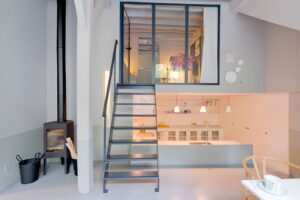
A share house in Australia is a rental home where two or more people live together, split the rent and bills, and share common spaces while usually keeping separate bedrooms. In share house Australia meaning, the home is a shared living arrangement rather than a single-person tenancy.
In Victoria, consumer guidance says a share house is a private rental with other people, and renters may be co-renters, sub-renters, a head-renter, or a licensee, depending on the arrangement.
A share house is a budget-friendly housing option for people who want lower housing costs, more flexibility, and a social living setup. It suits students, young workers, newcomers to a city, and anyone who wants affordable shared living in Australia without renting an entire property alone.
The main parts of a shared house are the rental property, the housemates, the lease agreement, the bond, utilities, and the shared spaces such as the kitchen, lounge, bathroom, and laundry.
How a Share House Works in Australia
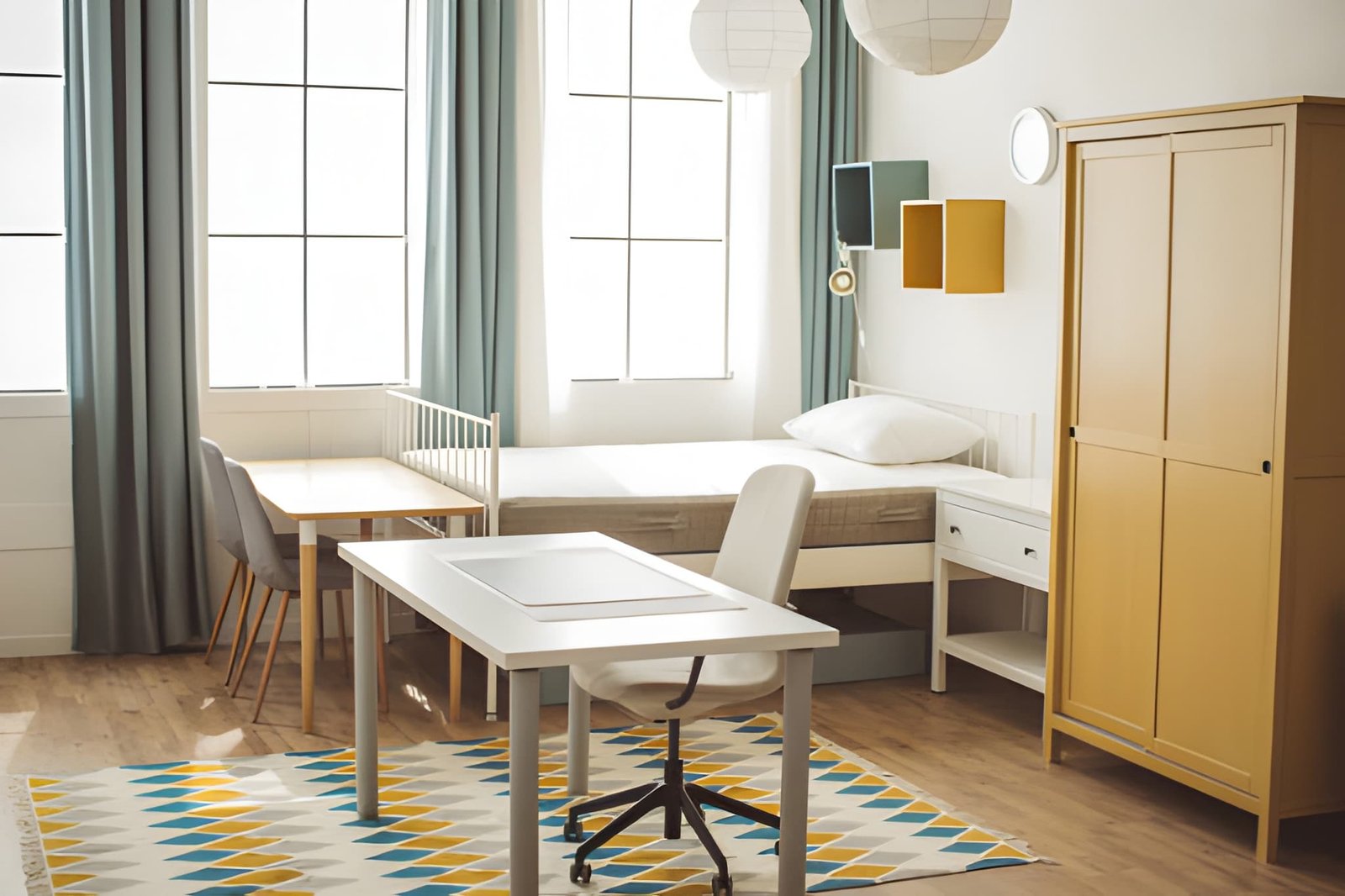
A share house works when one rental property is occupied by multiple housemates who agree on how the rent split works, how bills are paid, and how the shared spaces are used. In many homes, every renter pays their own share of rent and bond, then divides utilities such as electricity, gas, internet, and water according to the house rules.
Where everyone signs the same agreement, the renters are usually co-tenants and can be jointly responsible for the rent and condition of the whole property.
The cost of a shared house in Australia usually depends on suburb, room size, whether the room is furnished, and whether bills are included. A cheaper room often means a smaller room, a less central location, or fewer extras.
A higher rent often comes with a better location, a private bathroom, or more included services. This is why share house rent in Australia can vary a lot from one property to another.
Types of Share Houses in Australia

There are 4 common share house types in Australia.
- The first type is a co-tenancy, where all co-tenants sign the same lease agreement with the rental provider. This is the most common flatshare setup in a standard private rental.
- The second type is a sublet, where a head tenant rents the property and rents out one or more rooms to subtenants.
- The third type is a rooming style arrangement, where each resident has a separate agreement and the property follows different rules from a normal shared house.
- The fourth type is student accommodation, which can look like a shared house but often has more rules, more support, and a different lease structure.
A boarding house and a shared house are not the same. Consumer guidance in Victoria says a rooming house is different from a share house, boarding house, or sub-let. A rooming house usually has separate occupant agreements, while a share house usually works through shared tenancy or shared occupancy in a private rental.
What’s Included in a Share House?
A shared house usually includes a private room and shared spaces. The private room is the main space each housemate controls, while the kitchen, bathroom, laundry, and living room are shared areas.
Many shared houses also include furniture, appliances, internet, and sometimes basic gardening or cleaning equipment, but the exact inclusions depend on the rental property and the lease agreement.
Utilities are often shared too. That can include electricity, gas, water, internet, and sometimes cleaning supplies.
Some homes include utilities in the rent, while others split them separately. A clear house agreement helps avoid arguments about bills, cleaning, noise, guests, and groceries.
Advantages of Living in a Share House

Living in a shared house gives renters 4 clear advantages.
First, it lowers the cost of rent. A shared home spreads the rent across more people, which makes it a strong affordable shared living Australia option.
Second, it gives renters access to better suburbs or larger homes than they could afford alone.
Third, it can make moving easier, since many share houses offer flexible renting options and shorter commitments than a long solo lease.
Fourth, it can reduce loneliness, especially for students, new arrivals, and people who are moving to a city for work.
A shared house can also work well for people who want to save money without giving up a private room. That balance makes it a common urban shared housing trend in bigger cities where rent is high.
Disadvantages of Share Housing
Share housing has 5 common problems in houses.
Noise is the first one. Different schedules can create sleep problems, study problems, and stress.
Cleanliness is the second one, especially when housemates have different standards for kitchens, bathrooms, and shared spaces.
Privacy is the third one, since a share house gives each person a private room but not always much personal space outside it.
Money is the fourth one, because late rent, unpaid bills, or bond disputes can affect everyone.
House rules are the fifth one, because different habits around guests, smoking, and shared items can cause tension.
A shared house also depends on the people living there. A good home can feel easy and practical. A poor match can turn daily life into a constant argument over chores, rent split, and shared responsibility.
Share House vs Other Living Options
A shared house is different from living alone, a boarding house, and a rooming house.
Compared with living alone, a shared house costs less and gives more company, but it gives less privacy. Compared with a boarding house, a shared house usually feels more like a normal home with housemates rather than a paid room arrangement.
Compared with a rooming house, a share house usually has a more standard residential tenancy structure, while rooming houses follow different rules and agreements.
Compared with purpose-built student accommodation, a shared house often gives more freedom and a more typical home setup, while student accommodation can offer more services and more structure.
How Birch Ridge Helps Clients
Birch Ridge helps renters compare shared accommodation options without making the search feel confusing. The student rooms in melbourne page gives renters a starting point for shared living near study and work areas, while the birches apartments east melbourne page suits people who want a different layout with a more defined private space.
This matters for anyone comparing a shared house, flatshare, or student accommodation. A clear housing page helps people match budget, location, privacy, and lease style before they apply.
Legal Responsibilities in a Share House (Australia)

Tenancy laws Australia are state based, so renters need to check the rules that apply in their state or territory. In Victoria, Consumer Affairs Victoria and Tenants Victoria explain that a share house can involve co-renters, sub-renters, head-renters, or licensees, and each setup creates different rights and duties.
If all housemates sign the same lease agreement, they are usually co-tenants. That means they can be jointly responsible for rent, bond, and the condition of the rental property. If one co-tenant misses rent or causes damage, the others may still need to cover the full amount.
A bond is money held as security against unpaid rent, damage, or cleaning issues. In a shared tenancy, the way the bond is paid, lodged, and transferred depends on the rental setup.
When someone moves out and a new housemate moves in, the rental agreement and bond details should be updated so the records stay correct.
Subletting needs care. In a sub-let, the head tenant rents the property from the rental provider and then rents part of it to another person.
Consumer guidance says subletting normally needs permission from the rental provider, and the head tenant keeps many of the responsibilities that sit with a landlord in that arrangement.
Utilities, house rules, and guest use should be written down. A simple house agreement does not replace tenancy law, but it helps housemates stay clear on cleaning, bills, noise, and shared items.
How to Find a Share House in Australia

The best way to find a share house Australia listing is to start with trusted rental platforms, student housing pages, university noticeboards, and local Facebook groups that are active and moderated. Look for photos that show the bedroom, kitchen, bathroom, and common areas. Ask direct questions about the rent split, bond, utilities, internet, laundry, parking, and house rules before you inspect.
A good listing should tell you whether the room is furnished, whether bills are included, how many housemates already live there, and who signs the lease agreement. If the listing is vague, ask for a written explanation before you pay any money.
Tips for Choosing the Right Share House
Choose a shared house that matches your routine, not just your budget.
Check the commute to work or study. Meet the current housemates if possible. Read the lease agreement before you sign. Ask how the bond is held. Check whether the kitchen, bathroom, and lounge are big enough for the number of people living there. Look at the noise level, the cleaning standard, and the storage space. A cheaper room is not a good deal if the house is poorly managed.
Choose a house where the rules are clear. Good share house rules Australia should cover rent dates, guests, cleaning rosters, shared food, noise, smoking, and how to handle repairs.
How to Manage Life in a Share House
Good share house living starts with clear habits. Pay rent on time. Pay bills on time. Keep shared spaces clean. Label food if needed. Give notice before inviting guests. Respect sleep times. Talk early when something is wrong.
A short house meeting once a week can prevent small issues from turning into bigger ones. The housemates can use it to check cleaning, bills, bins, repairs, and anything that affects the rental property. Clear communication makes shared living easier and keeps the home calm.
Is Living in a Share House Right for You?
Living in a shared house suits people who want lower rent, flexible renting options, and a social home setup. It suits students, first-time renters, and workers who want to live closer to the city without paying for a full private rental on their own. It suits people who can handle shared spaces, shared rules, and a bit of compromise.
A shared house is not the best fit for someone who needs complete privacy, very quiet living, or full control over the home. It is a strong housing option when the location, housemates, and lease agreement all fit your needs.
FAQs About Share Houses in Australia
What is a share house in simple terms?
A shared house is a home where several people rent and live together, usually with private bedrooms and shared spaces.
What is the difference between a shared house and flatshare?
Flatshare is another common way of saying share house. In most cases, both terms mean the same shared accommodation setup.
Who pays the bond in a shared house?
That depends on the tenancy structure. Co-tenants usually contribute to one bond arrangement, while a sub-let or rooming style setup can work differently.
Can a head tenant rent out rooms without asking?
No. Subletting usually needs permission from the rental provider, and the head tenant stays responsible for the arrangement.
Is a boarding house the same as a shared house?
No. A boarding house or rooming house follows different rules and agreements from a normal shared house.
Final Thoughts
A share house in Australia is a shared living arrangement that can cut rent, make city living possible, and suit renters who want flexibility and community. The best shared house is one with clear rules, compatible housemates, a fair lease agreement, and a setup that suits your budget and routine. For many renters, shared accommodation in Australia is the most practical way to balance cost, privacy, and location.
You could also add these internal links next: a rent and bond guide, a suburb guide, a student accommodation page, and a housemate rules checklist.