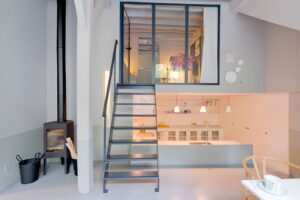
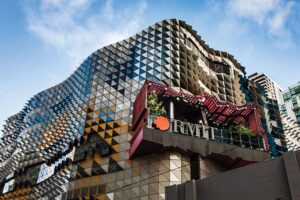
Yes, you can live in a commercial property in Australia, but only when the property is approved for residential use, student accommodation, mixed-use living or another lawful dwelling purpose. A commercial space cannot automatically be used as a home, student residence or shared accommodation just because it has rooms, bathrooms or kitchen facilities.
For students, landlords and property investors, the question “can you live in a commercial space” often comes up when older offices, warehouses, shopfronts or mixed-use buildings are considered for student housing. The answer depends on zoning, council approval, building classification, fire safety, occupancy permits and whether the property is suitable for long-term residential living.
Student accommodation in Australia must meet proper planning, safety and live ability standards. This is why established providers such as birch ridge student accommodation focus on organised, compliant and purpose-suited housing rather than informal living arrangements in unapproved commercial spaces.
What Does It Mean to Live in a Commercial Property?
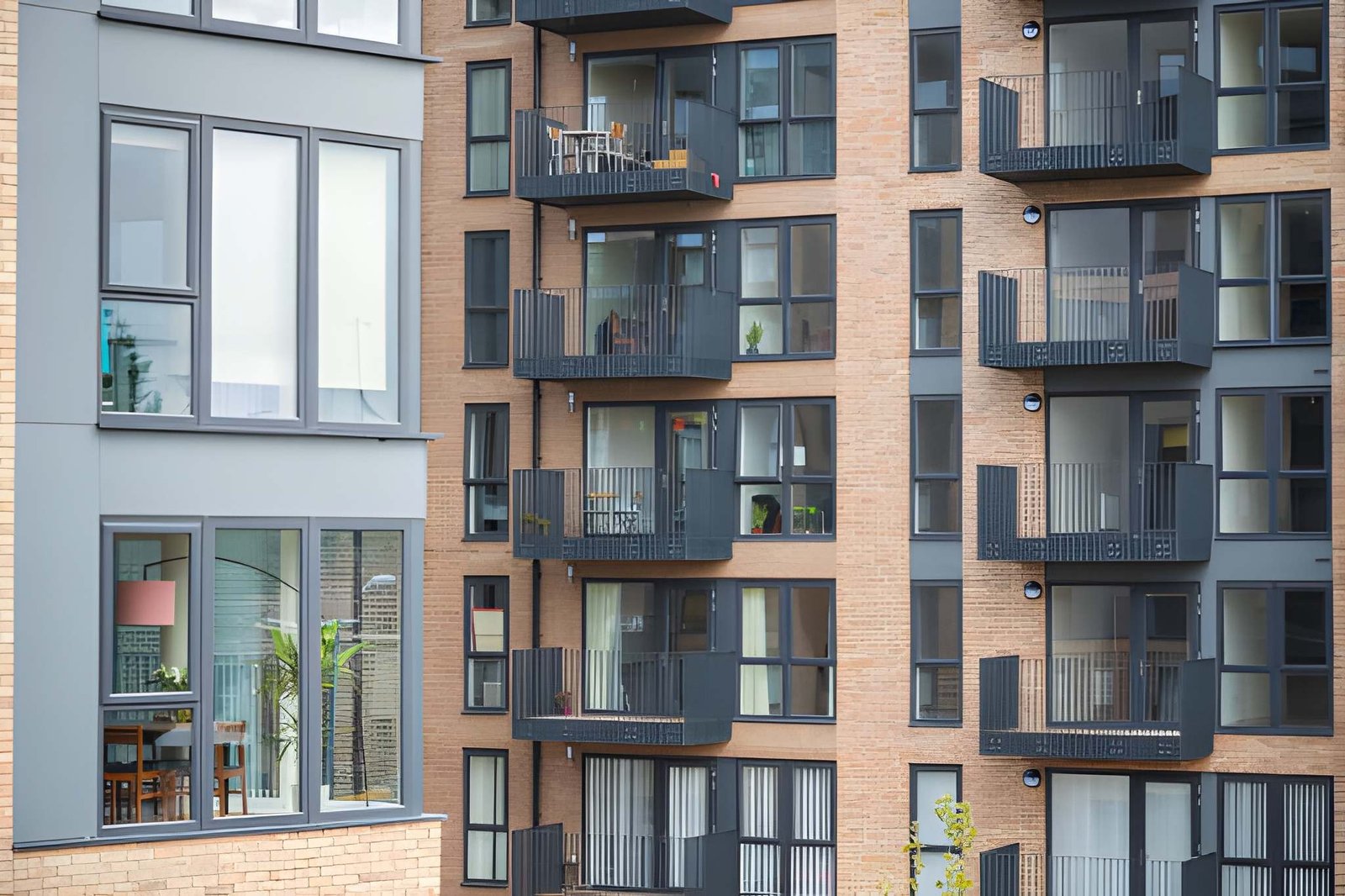
Living in a commercial property means using a building originally designed or approved for business as a place to sleep, cook, study and live.
In a student accommodation context, this may include:
- Turning an office building into student rooms
- Converting a shopfront into a shared residence
- Using a mixed-use building for student housing
- Creating studio-style rooms above retail premises
- Converting an old warehouse into student apartments
A property may look suitable for students because it has open space, bathrooms, storage rooms or a kitchen area. But a commercial building is not automatically approved as student accommodation.
For student housing, the property normally needs:
- Residential or accommodation use approval
- Council consent or planning permit
- Fire safety compliance
- Proper bedrooms and living areas
- Bathroom and kitchen facilities
- Safe exits and access points
- Occupancy approval
- Suitable insurance
Is It Legal to Live in a Commercial Property?

Yes, it is legal to live in a commercial property when the property has the right zoning, council approval and building compliance for residential or accommodation use. It is not legal when the building is only approved for commercial, retail, office or industrial activity.
For student accommodation, the legal requirements can be stricter because multiple people may live in the same building. Councils usually look at safety, parking, waste, noise, amenity, fire exits and the impact on surrounding properties.
Australian property laws explained
Australian property laws separate land use from building use. Zoning controls what the land can be used for. Building classification controls how the building must be built, upgraded and occupied.
A commercial property may be approved as:
- Office space
- Retail space
- Industrial space
- Storage space
- Mixed-use space
- Residential accommodation
- Student accommodation
A property owner cannot simply place beds in a commercial building and rent the rooms to students. The approved use must allow people to live there.
Council approval requirements
Council approval requirements depend on the local council, property zoning and the proposed accommodation model.
For student accommodation, council may review:
- Number of rooms
- Number of residents
- Shared kitchen and bathroom facilities
- Fire safety systems
- Waste management
- Noise control
- Parking and transport access
- Building entry and exit points
- Neighbouring commercial or residential properties
A duty planner or town planner can confirm whether the site can legally be used for student housing.
State-by-state considerations
State-by-state considerations matter because planning rules differ across NSW, Victoria, Queensland, Tasmania and other Australian states.
For example, a building in Melbourne may have different approval requirements from a similar building in Sydney, Launceston, Devonport or Pakenham.
This matters for student accommodation providers because students need safe, approved and well-located housing near universities, transport, shopping and daily services.
Why Zoning Is Important

Zoning is important because zoning decides whether a commercial property can legally be used for student accommodation, residential living or business activity.
A property may be in a commercial zone, mixed-use zone, residential zone, industrial zone, rural zone or agricultural zone. Each zone has different permitted uses.
Understanding local council zoning laws
Local council zoning laws decide what can happen on a property. A building may allow office use but not student rooms. Another building may allow retail use on the ground floor and residential accommodation above.
Before using any commercial property as student accommodation, the owner should check:
- Current zoning
- Approved land use
- Existing permits
- Building classification
- Occupancy certificate
- Council restrictions
- Fire safety requirements
How zoning affects property use
Zoning affects whether a property can be used as a home, student residence, office, shop or warehouse.
For example:
- A residential zone may allow student housing with conditions
- A commercial zone may allow apartments or accommodation above shops
- An industrial zone may restrict sleeping and residential use
- A mixed-use zone may allow both business and residential activity
This is why student accommodation should not be planned only around rent potential. The property must be legally suitable for people to live in.
When rezoning may be required
Rezoning may be required when a property’s current zoning does not allow residential or student accommodation use.
Rezoning can be expensive and slow. It may involve town planning reports, council review, public notification, traffic reports, fire safety checks and community objections.
For student housing investors, it is usually safer to choose a property that already allows residential or accommodation use.
Common Zoning Types in Australia
Australia has several zoning types that can affect student accommodation and commercial property living.
Residential zones
Residential zones are designed for homes, apartments, townhouses and related living uses.
Student accommodation may be allowed in some residential zones, but councils may apply conditions around:
- Number of occupants
- Parking
- Waste
- Noise
- Building size
- Neighbour impact
- Fire safety
A normal house used by a few students is different from a larger student accommodation building with many rooms.
Commercial zones
Commercial zones are designed for shops, offices, restaurants, medical centres and business activity.
Some commercial zones allow residential use, especially above shops or inside approved mixed-use buildings. This can work well for student accommodation when the location is close to universities, train stations, tram routes, supermarkets and cafes.
But commercial zoning does not automatically mean students can live there.
Industrial zones
Industrial zones are usually not ideal for student accommodation. These areas may have warehouses, factories, workshops, trucks, noise and safety risks.
Living in an industrial warehouse or factory unit can be restricted because students need safe access, quiet living conditions, fire protection and nearby amenities.
Mixed-use zones
Mixed-use zones are often more suitable for student accommodation because they allow a combination of residential, retail, office and community uses.
A mixed-use building may include:
- Ground floor retail
- Upper-level student rooms
- Shared study areas
- Shared kitchens
- Common lounges
- Secure entry points
For student housing, mixed-use zoning can support a practical live-near-services lifestyle.
Types of Commercial Properties People Live In
People may try to live in several types of commercial properties, but not every property type suits student accommodation.
Warehouses
Warehouses can offer large spaces and flexible layouts. Some owners consider converting warehouses into student apartments or shared housing.
But warehouse conversions need major work, such as:
- Insulation
- Bedrooms
- Bathrooms
- Kitchens
- Fire exits
- Ventilation
- Natural light
- Noise control
- Electrical upgrades
For student accommodation, warehouses are only suitable when the conversion is properly approved and designed for safe living.
Shopfront properties
Shopfront properties can work for student accommodation when there is an approved dwelling above or behind the retail area.
For example, a shopfront near a university may have commercial use downstairs and approved residential rooms upstairs. This can be suitable if fire safety, access, privacy and noise control are properly managed.
Unapproved sleeping arrangements behind a shop are not suitable for students.
Office spaces
Office spaces are sometimes considered for student housing because they already have toilets, lighting and air conditioning.
But offices usually need major changes before students can live there. The building may need bedrooms, showers, kitchens, fire separation, laundry areas, ventilation and residential access.
An office conversion can work, but only after planning and building approvals.
Mixed-use developments
Mixed-use developments are often the best fit for student accommodation. These buildings are designed to combine living, study, retail and service access.
For example, swinnerton house is relevant for students looking for accommodation in Melbourne because the accommodation focus is clear, planned and aligned with student living needs.
Can You Convert a Commercial Property into a Home?
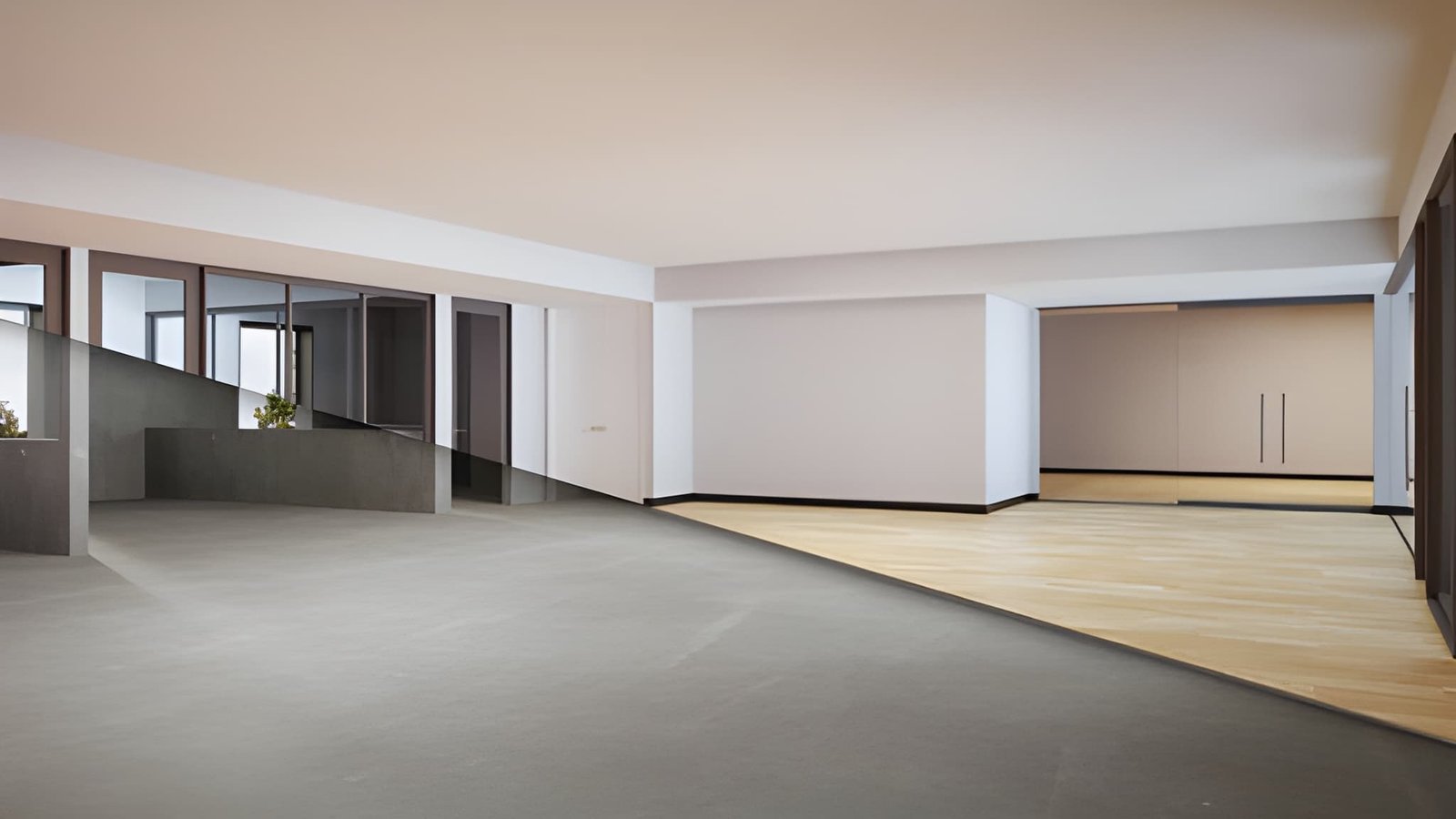
Yes, you can convert a commercial property into a home or student accommodation when council approval, zoning and building compliance allow the conversion.
For student accommodation, the approval process is usually more detailed than a single home conversion because multiple residents may occupy the property.
Planning permits and approvals
Planning permits and approvals confirm whether the property can legally be used for student accommodation.
A council may ask for:
- Development application
- Planning permit
- Change of use approval
- Building permit
- Fire safety report
- Waste management plan
- Traffic or parking assessment
- Acoustic report
- Occupancy certificate
A town planner can help define the proposed use correctly. This matters because “student accommodation”, “boarding house”, “residential building”, “rooming house” and “dwelling” may be treated differently.
Building code requirements
Building code requirements protect the people living inside the property.
For student accommodation, the building may need:
- Safe bedroom sizes
- Fire-rated walls and doors
- Smoke alarms
- Emergency lighting
- Safe stairways
- Accessible exits
- Proper ventilation
- Waterproof bathrooms
- Compliant kitchens
A building that is safe for office workers during the day may not be safe for students sleeping there overnight.
Plumbing and electrical compliance
Plumbing and electrical compliance is a major part of student accommodation conversion.
Students need proper:
- Toilets
- Showers
- Laundry facilities
- Kitchen areas
- Hot water systems
- Electrical outlets
- Lighting
- Internet access
- Safe appliances
Poor plumbing or overloaded electrical systems can create safety problems and council compliance issues.
Fire safety regulations
Fire safety regulations are one of the most important parts of student accommodation.
A student housing building may need:
- Fire exits
- Fire doors
- Smoke alarms
- Fire extinguishers
- Emergency lighting
- Evacuation plans
- Fire separation between rooms
- Safe access for emergency services
Any property used for student rooms must be safe for overnight occupation.
Steps to Take Before Living in a Commercial Property
Before using a commercial property for student accommodation, take 4 steps: check council regulations, speak with a town planner, review building compliance and confirm occupancy approval.
Check council regulations
Check council regulations before buying, leasing or converting the property.
Ask the council:
- Can this property be used for student accommodation?
- Is residential use allowed in this zone?
- Is a planning permit required?
- Is a change of use application required?
- Are there parking requirements?
- Are there fire safety conditions?
- Are there limits on the number of occupants?
Speak with a town planner
Speak with a town planner before making financial decisions.
A town planner can check zoning, overlays, council policies, student accommodation definitions, neighbour impacts and approval pathways.
This is especially useful for commercial to residential conversion projects.
Review building compliance
Review building compliance with a building certifier, surveyor, architect or builder.
For student accommodation, compliance should cover:
- Bedrooms
- Bathrooms
- Kitchens
- Fire safety
- Accessibility
- Ventilation
- Noise control
- Waste storage
- Secure access
- Emergency exits
Understand occupancy certificates
An occupancy certificate confirms that a building or part of a building is suitable for its approved use.
For student accommodation, this matters because the building must be approved for people to live and sleep there. A commercial occupancy approval does not automatically allow student housing.
Costs Involved in Converting Commercial Property
Converting commercial property into student accommodation can involve renovation costs, permit costs, council costs, taxes, insurance and finance changes.
Renovation expenses
Renovation expenses may include:
- Bedroom construction
- Bathroom installation
- Kitchen upgrades
- Laundry facilities
- Fire safety systems
- Heating and cooling
- Soundproofing
- Security systems
- Internet setup
- Furniture and study desks
Student accommodation must be practical, safe and comfortable for daily living.
Permit and application costs
Permit and application costs can include:
- Town planner fees
- Architect drawings
- Council application fees
- Building surveyor fees
- Fire safety reports
- Acoustic reports
- Traffic reports
- Waste reports
- Legal advice
These costs should be reviewed before buying the property.
Ongoing council rates and taxes
Ongoing council rates and taxes may differ depending on whether the property is commercial, residential, mixed-use or accommodation-based.
An accountant should review:
- Capital gains tax
- Rental income
- Deductions
- GST issues
- Business expenses
- Property ownership structure
Insurance considerations
Insurance is important for student accommodation because multiple residents may live in the same property.
Insurance may need to cover:
- Building damage
- Public liability
- Fire
- Theft
- Tenant damage
- Business operation
- Accommodation use
The insurer must know the property is being used for student accommodation.
Pros and Cons of Living in a Commercial Property
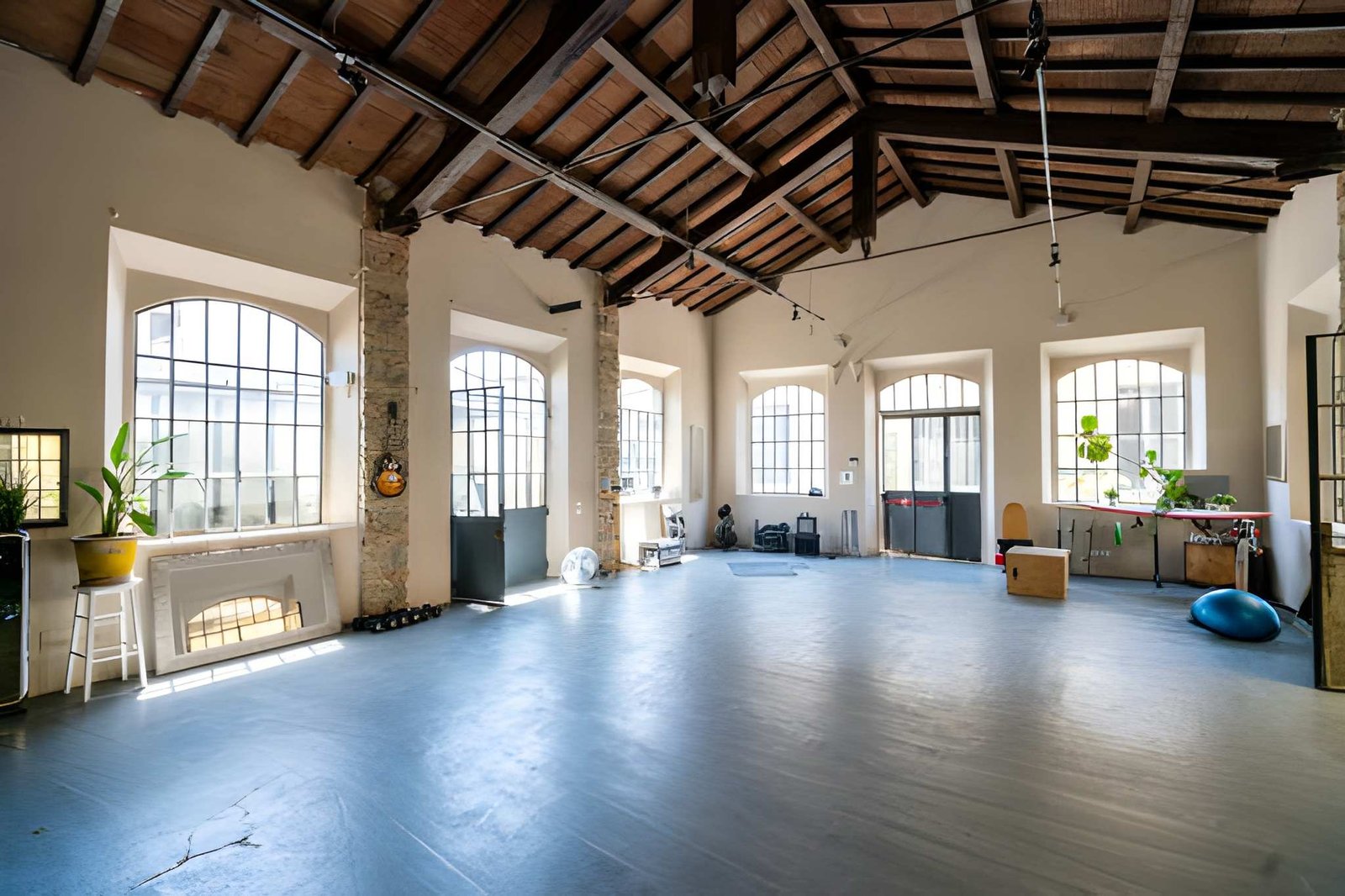
Living in a commercial property has benefits and risks. For student accommodation, the main benefit is location and space. The main risk is non-compliance.
Larger open-plan spaces
Commercial buildings often offer larger layouts than standard apartments.
This can help create:
- Shared study areas
- Common lounges
- Group kitchens
- Multiple bedrooms
- Storage areas
- Laundry spaces
But the space must be legally converted before students live there.
Potential lifestyle flexibility
A commercial residential lifestyle can work well for students when the property is close to education, transport and daily services.
Students usually prefer accommodation near:
- Universities
- Public transport
- Libraries
- Shops
- Cafes
- Gyms
- Medical centres
Privacy and location advantages
Some commercial or mixed-use buildings are in central locations. This can give students better access to study, work and social life.
But privacy must be planned properly. Students need secure rooms, safe entry, quiet study space and separation from public commercial areas.
Legal and financing challenges
Legal and financing challenges are the biggest risks.
A property owner may face:
- Refused permits
- Fire safety upgrade costs
- Higher insurance
- Commercial loan restrictions
- Council complaints
- Fines or orders
- Difficulty selling the property
Financing and Insurance Considerations
Financing and insurance must be reviewed before converting any commercial property into student accommodation.
Commercial property loans
Commercial property loans may require higher deposits and stricter lender review than normal home loans.
A lender may ask:
- What is the approved use?
- Is the income from student rent?
- Is the property commercial or residential?
- Are approvals in place?
- Is the building compliant?
- Who manages the accommodation?
Residential vs commercial lending
Residential lending is usually easier when the building is approved as a home or apartment.
Commercial lending may apply when the property is still classified as office, retail, warehouse or mixed-use. Student accommodation can sit between residential and commercial lending, depending on the structure.
Insurance limitations and requirements
Insurance limitations can create problems if the property is not honestly described.
A normal commercial policy may not cover students living in the building. A residential landlord policy may not cover a larger student accommodation operation.
The policy should match the approved use.
What Happens If You Don’t Comply with Council Regulations?
If you use a commercial property as student accommodation without council approval, the council can issue notices, fines, orders or legal action.
This can affect the owner, operator and students living in the building.
Fines and penalties
Fines and penalties may apply when a property is used for unapproved residential or accommodation purposes.
Council may investigate after:
- Neighbour complaints
- Noise issues
- Waste issues
- Parking complaints
- Fire safety concerns
- Online rental listings
- Student complaints
Eviction notices
Students may be forced to leave if the property is unsafe or unlawfully occupied.
This creates serious risk for both students and property owners. Student accommodation should always be legally approved before rooms are rented.
Difficulties selling the property
A property with unapproved student rooms can be harder to sell.
Buyers may ask for:
- Planning approvals
- Building permits
- Occupancy certificates
- Fire safety records
- Council compliance documents
- Lease agreements
Missing documents can reduce buyer confidence.
Commercial Property Trends in Australia
Commercial property trends in Australia show more interest in student housing, mixed-use buildings and adaptive reuse of older properties.
Warehouse conversions
Warehouse conversions can appeal to investors because they offer large floor space. But student accommodation conversions need strong compliance planning.
A warehouse must be safe, quiet, insulated and properly approved before students live there.
Mixed-use living spaces
Mixed-use living spaces are often well suited to students because they place accommodation near shops, transport and daily services.
This is where student accommodation providers can create better outcomes than informal commercial space living. Birch Ridge supports student accommodation needs by focusing on organised housing options that suit student lifestyles, location needs and safety expectations.
Post-pandemic property trends
COVID changed how people think about living, working and studying. More students now value flexible rooms, study space, reliable internet and access to public transport.
Melbourne and Sydney remain strong student accommodation markets because universities, jobs and transport are concentrated in these cities.
Things to Consider Before Buying a Commercial Property to Live In
Before buying a commercial property for student accommodation, consider location, approvals, transport, nearby businesses and resale potential.
Access to amenities
Access to amenities is important for students.
A good student accommodation location should be close to:
- University or college
- Supermarket
- Public transport
- Cafes
- Medical services
- Parks
- Study spaces
- Part-time work areas
Parking and transport
Transport is more important than parking for many students, especially in Melbourne and Sydney.
Good student accommodation should have access to:
- Train stations
- Tram routes
- Bus stops
- Bike paths
- Safe walking routes
Noise and neighbouring businesses
Noise matters because students need sleep and study time.
Avoid properties next to:
- Late-night venues
- Industrial workshops
- Loading docks
- Heavy traffic
- Noisy factories
- Waste facilities
Future resale potential
Future resale potential depends on legal approvals, location and demand.
A commercial property with approved student accommodation use may attract investors. A property with illegal rooms, missing permits or compliance issues can be difficult to sell.
Frequently Asked Questions
Can you legally sleep in a commercial property?
Yes, you can legally sleep in a commercial property only when the property is approved for residential or accommodation use. Sleeping in an unapproved office, shop, warehouse or industrial unit can breach council, fire safety and insurance rules.
Can you turn a warehouse into a house?
Yes, you can turn a warehouse into a house or student accommodation when zoning, council approval and building compliance allow the conversion. The property may need fire safety upgrades, plumbing, electrical work, insulation, ventilation and occupancy approval.
Do banks lend for commercial residential conversions?
Yes, banks can lend for commercial residential conversions, but approval may be harder than a normal home loan. Lenders review zoning, approved use, rental income, property type, deposit size and building compliance.
What is mixed-use zoning?
Mixed-use zoning allows a property to combine residential, retail, office, accommodation or light commercial uses. Mixed-use zoning can suit student accommodation when the building has proper approvals and safe living facilities.
How long does council approval take in Australia?
Council approval in Australia can take several weeks to several months depending on the council, property zone, building condition and proposed student accommodation use. Complex conversions, objections, fire safety upgrades and traffic issues can increase approval time.